
When Changing Jobs Doesn’t Change How You Feel

Welcome to my Substack.
Most conversations about careers focus on outcomes—promotions, pivots, progress.
I’m more interested in what happens in between.
The moments that feel small, slightly uncomfortable, easy to dismiss.
The questions you don’t pause long enough to answer.
The phases where nothing is obviously wrong, but something feels off.
This space is for those stories.
There is a version of adulthood no one prepares you for
You assume that if something feels off, you can change it.
Change the job. Change the team. Change the environment.
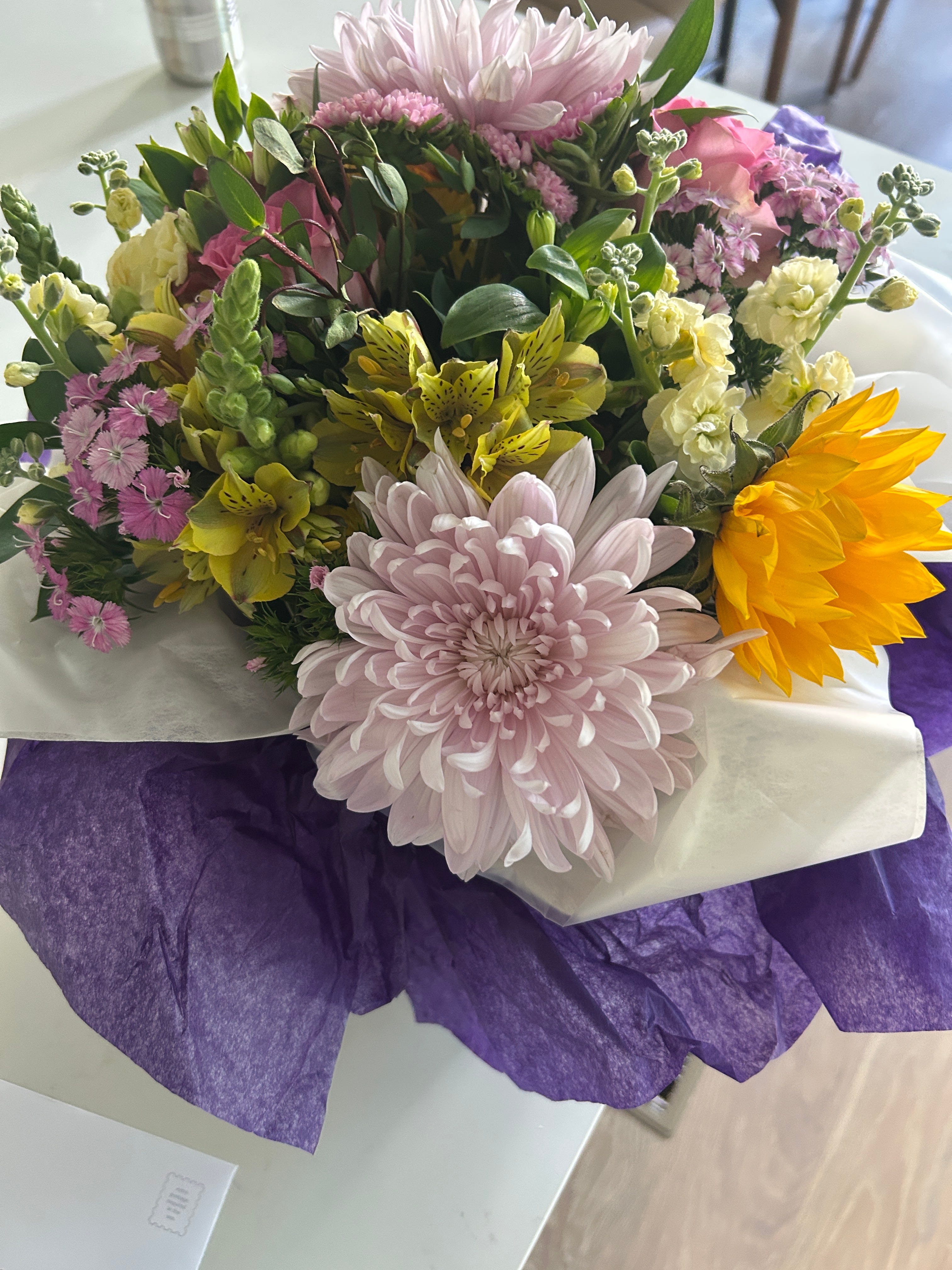
And with that change will come energy, some clarity. and hopefully a lot of excitement.
That used to be true.
At least it felt true earlier in my career.
In your twenties and early thirties, change feels like momentum
Every new role came with a rush.
New people.
New problems.
Newness itself was enough to create energy.
You didn’t question it. You didn’t analyze it.
You just felt it.
But somewhere along the way, that equation breaks
I changed jobs recently.
And I genuinely believed that this was the shift I needed.
That the discomfort I had been carrying had a clear cause.
And once I removed it, everything else would fall into place.
Instead, I feel… flat.
Not unhappy. Not overwhelmed.
Just not excited.
The absence of excitement is harder to name than dissatisfaction
If something is wrong, you can act on it.
If you are unhappy, you can fix it.
But what do you do when nothing is wrong—
and yet nothing feels right?
I am not struggling in a visible way, but something feels off internally
I wake up and go through the day.
I do what needs to get done.
I participate. I deliver.
But I’m not fully in it.
It feels like I’m observing my life slightly from the outside.
The most unsettling part is needing to instruct myself how to feel
I catch myself doing this throughout the day.
Look at that moment—you should feel something.
This is good—you should register it.
This is meaningful—don’t miss it.
It’s like I’m manually trying to activate emotions that used to come naturally.
This is not burnout in the way we usually define it
I’m not exhausted.
I’m not disengaged in a loud or obvious way.
I’m functioning.
But I’m also not connected.
And that quiet disconnection is harder to talk about.
I am realizing that I am not stuck because of my circumstances
This is the uncomfortable part.
It’s easier to believe that something external is the problem.
But I’m starting to see that I keep choosing numbing over noticing.
Numbing looks deceptively like action
Scrolling. Consuming. Filling the in-between moments.
It feels like doing something.
But it’s not.
It’s avoiding the stillness where clarity might actually emerge.
Sitting with your thoughts becomes harder as your life gets fuller
There is more responsibility.
More expectations.
More moving pieces.
And less space to just sit and process.
So we reach for quick distractions.
Not because we’re careless—
but because it’s easier.
There is also a quieter layer underneath this: fear
Not the loud, obvious kind.
But a more strategic, adult version of fear.
I’ve spent years operating in execution mode.
Delivering. Solving. Responding.
Now that I have the opportunity to zoom out and build something more intentional— I hesitate.
Because the next step requires a different kind of risk
Not just doing well in a defined system. But creating something without a clear path. Owning the outcome.
And that feels heavier.
So instead of moving forward, I stay in a controlled middle
Not unhappy enough to leave.
Not energized enough to fully lean in.
Just… steady.
And slightly disconnected.
Maybe the real shift in adulthood is this
Changing your environment is no longer enough to change how you feel.
Because you carry your internal state with you.
Everywhere.
Which means the work becomes more internal than external
Less about what you change.
More about how you show up to what you already have.
Less chasing stimulation.
More rebuilding connection.
For now, I am not trying to force excitement
That instinct is strong.
To fix this quickly.
To “get back to normal.”
But maybe this is not something to rush.
Maybe this phase is asking for something much simpler
Do less.
Notice more.
Stay a little longer in moments I usually escape.
Let things feel slightly uncomfortable without immediately reaching for distraction.
This is not a breakdown, even if it feels unfamiliar
It might be a recalibration.
A point where old drivers stop working—
and new ones haven’t fully formed yet.
If you are in this phase, you are not alone
Not everything that feels off is a problem to fix.
Some phases are meant to be understood before they are changed.
And this might be one of them.
Most careers aren’t built in big moments.
They’re shaped in the quiet in-between.
That’s what I’m trying to understand here—
and write through, as I go.
If you find yourself in these phases too, stay and subscribe-
Or send this to a friend
Leave me a comment below if you related to even one line!